Buy goeir.com ?
We are moving the project
goeir.com .
Are you interested in purchasing the domain
goeir.com ?
domain@kv-gmbh.de · 0541-91531010
Buy goeir.com ?
What types of symmetry are there: point symmetry, axis symmetry, or no symmetry?
There are three types of symmetry: point symmetry, axis symmetry, and no symmetry. Point symmetry occurs when an object can be rotated 180 degrees around a central point and still look the same. Axis symmetry, also known as reflection symmetry, occurs when an object can be reflected across a line and still look the same. No symmetry means that the object does not have any regular repeating pattern or axis of reflection. **
What is the difference between axis symmetry, axis of symmetry, rotational symmetry, and point symmetry?
Axis symmetry refers to the property of a shape being symmetrical with respect to an axis, meaning that if the shape is folded along the axis, the two halves will coincide. The axis of symmetry is the line along which the shape is symmetrical. Rotational symmetry refers to the property of a shape being able to be rotated by a certain angle and still look the same. Point symmetry refers to the property of a shape being symmetrical with respect to a central point, meaning that if the shape is rotated 180 degrees around the point, it will look the same. **

Similar search terms for Symmetry
Top-Angebote
Products related to Symmetry:
-
Fimo Accessories, Rulle, 1 Stk.Praktisk rulle fra FimoMed Fimo Accessoires rulle for du en praktisk rulle i akrylplast til udrulning af Fimoler, modellervoks og ler. Ved udrulning af modelleringmaterialerne opnår du en glat og fin overfalde. Rullens glatte overfalde gør det nemt og enkelt at udrulle forskellige moddelingsmaterialer uden at de hænger fast, så du er sikker på at få en jævn og helt glat overflade.Materiale: AkrylDiameter: 25 mmLængde: 20 cm148,75 DKK*Shipping: 81,19 DKKSecure redirect to the provider
-
Fimo Accessories, Modelleringspinde, 4 Stk.Modelleringsværktøjssæt i plastDu får her en et praktisk lille modelleringsværktøjssæt fra Fimo med 4 forskellige modelleringspinde og -værktøjer. Værktøjerne er fremstillet i rød plast og er ideelle at bruge sammen med forskellige typer af Fimoler, men kan også med fordel bruges til andre former for modellervoks og ler. Brug f.eks. modelleringsværktøjerne til at skabe kreative udformninger og finurlige små detaljer. Sæt med 4 forskellige modelleringspindeMateriale: PlastLeveres i praktisk plasthylster56,19 DKK*Shipping: 81,19 DKKSecure redirect to the provider


-
What are the similarities between axial symmetry and point symmetry?
Both axial symmetry and point symmetry involve the concept of symmetry in geometric shapes. In axial symmetry, an object is symmetrical if it can be divided into two equal halves by a line of symmetry. Similarly, in point symmetry, an object is symmetrical if it looks the same after being rotated 180 degrees around a central point. Both types of symmetry result in balanced and visually appealing shapes. **
-
What is the difference between point symmetry and rotational symmetry?
Point symmetry occurs when a figure looks the same after being rotated 180 degrees around a central point, while rotational symmetry occurs when a figure looks the same after being rotated a certain angle around a central point. In other words, point symmetry requires a 180-degree rotation to look the same, while rotational symmetry can occur with rotations of different angles. Additionally, point symmetry is a specific type of rotational symmetry, as it is a rotation of 180 degrees. **
-
What is the difference between axis symmetry and point symmetry?
Axis symmetry refers to a shape or object being symmetrical with respect to an axis, meaning that if you were to fold the shape along the axis, the two halves would perfectly overlap. Point symmetry, on the other hand, refers to a shape or object being symmetrical with respect to a single point, meaning that if you were to rotate the shape 180 degrees around that point, it would look the same. In essence, axis symmetry involves reflection across a line, while point symmetry involves rotation around a point. **
-
Point or axis symmetry?
Point symmetry occurs when a figure can be rotated 180 degrees around a central point and still look the same. Axis symmetry, on the other hand, occurs when a figure can be reflected across a line and still look the same. Point symmetry is less common in geometric figures compared to axis symmetry. **


What is rotational symmetry?
Rotational symmetry is a type of symmetry where a shape or object can be rotated by a certain angle and still look the same. In other words, if you can rotate a shape less than 360 degrees and it appears unchanged, then it has rotational symmetry. The number of times a shape can be rotated and still look the same is called its order of rotational symmetry. Shapes like circles have infinite rotational symmetry, as they look the same no matter how many times they are rotated. **
What are symmetry functions?
Symmetry functions are mathematical functions used to describe the local environment of atoms in a material. They are often used in machine learning models to represent the atomic structure and interactions within a material. Symmetry functions capture the spatial arrangement of neighboring atoms around a central atom and can be used to predict material properties such as stability, reactivity, and mechanical behavior. These functions are particularly useful for understanding and predicting the behavior of complex materials with diverse atomic arrangements. **
Top-Angebote
Products related to Symmetry:
-
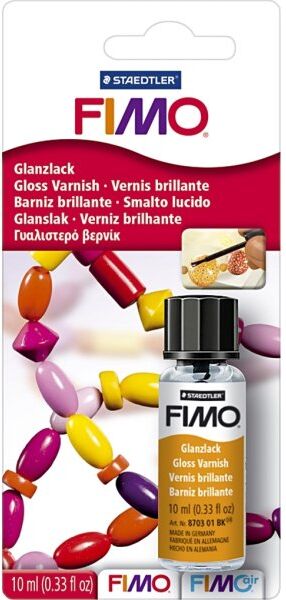
Fimo Accessories, Glanslak, 10mlGlans- og beskyttelseslak til dine kreationer i FimolerMed denne lak fra Fimo får du en vandbaseret glanslak, som giver dine hærdede figurer og kreationer i Fimoler en flot, glat og glansfuld overfalde. Samtidig er Fimo glanslak også en god beskyttelseslak, da den ligger en beskyttende hinde på overfalden af dine figurer, så de holder sig flotte i længere tid. Lakken påføres nemt ved hjælp af den lille børste i låget og tørrer klart og gennemsigtigt op. Dertil er lakken lysægte, så farverne forbliver stærke, klare og glansfulde.Indhold: 10 mlTil glans og overfladebeskyttelsePåføringsbørste i låget48,69 DKK*Shipping: 81,19 DKKSecure redirect to the provider
-
Fimo Accessories, Glanslak, 35mlGlans- og beskyttelseslak til dine kreationer i FimolerMed denne lak fra Fimo får du en vandbaseret glanslak, som giver dine hærdede figurer og kreationer i Fimoler en flot, glat og glansfuld overfalde. Samtidig er Fimo glanslak også en god beskyttelseslak, da den ligger en beskyttende hinde på overfalden af dine figurer, så de holder sig flotte i længere tid. Lakken påføres nemt ved hjælp af en lille børste eller pensel og tørrer klart og gennemsigtigt op. Dertil er lakken lysægte, så farverne forbliver stærke, klare og glansfulde.Indhold: 35 mlTil glans og overfladebeskyttelse73,69 DKK*Shipping: 81,19 DKKSecure redirect to the provider
-
Fimo Accessories, Rulle, 1 Stk.Praktisk rulle fra FimoMed Fimo Accessoires rulle for du en praktisk rulle i akrylplast til udrulning af Fimoler, modellervoks og ler. Ved udrulning af modelleringmaterialerne opnår du en glat og fin overfalde. Rullens glatte overfalde gør det nemt og enkelt at udrulle forskellige moddelingsmaterialer uden at de hænger fast, så du er sikker på at få en jævn og helt glat overflade.Materiale: AkrylDiameter: 25 mmLængde: 20 cm148,75 DKK*Shipping: 81,19 DKKSecure redirect to the provider
-
Fimo Accessories, Modelleringspinde, 4 Stk.Modelleringsværktøjssæt i plastDu får her en et praktisk lille modelleringsværktøjssæt fra Fimo med 4 forskellige modelleringspinde og -værktøjer. Værktøjerne er fremstillet i rød plast og er ideelle at bruge sammen med forskellige typer af Fimoler, men kan også med fordel bruges til andre former for modellervoks og ler. Brug f.eks. modelleringsværktøjerne til at skabe kreative udformninger og finurlige små detaljer. Sæt med 4 forskellige modelleringspindeMateriale: PlastLeveres i praktisk plasthylster56,19 DKK*Shipping: 81,19 DKKSecure redirect to the provider
-
What types of symmetry are there: point symmetry, axis symmetry, or no symmetry?
There are three types of symmetry: point symmetry, axis symmetry, and no symmetry. Point symmetry occurs when an object can be rotated 180 degrees around a central point and still look the same. Axis symmetry, also known as reflection symmetry, occurs when an object can be reflected across a line and still look the same. No symmetry means that the object does not have any regular repeating pattern or axis of reflection. **
-
What is the difference between axis symmetry, axis of symmetry, rotational symmetry, and point symmetry?
Axis symmetry refers to the property of a shape being symmetrical with respect to an axis, meaning that if the shape is folded along the axis, the two halves will coincide. The axis of symmetry is the line along which the shape is symmetrical. Rotational symmetry refers to the property of a shape being able to be rotated by a certain angle and still look the same. Point symmetry refers to the property of a shape being symmetrical with respect to a central point, meaning that if the shape is rotated 180 degrees around the point, it will look the same. **
-
What are the similarities between axial symmetry and point symmetry?
Both axial symmetry and point symmetry involve the concept of symmetry in geometric shapes. In axial symmetry, an object is symmetrical if it can be divided into two equal halves by a line of symmetry. Similarly, in point symmetry, an object is symmetrical if it looks the same after being rotated 180 degrees around a central point. Both types of symmetry result in balanced and visually appealing shapes. **
-
What is the difference between point symmetry and rotational symmetry?
Point symmetry occurs when a figure looks the same after being rotated 180 degrees around a central point, while rotational symmetry occurs when a figure looks the same after being rotated a certain angle around a central point. In other words, point symmetry requires a 180-degree rotation to look the same, while rotational symmetry can occur with rotations of different angles. Additionally, point symmetry is a specific type of rotational symmetry, as it is a rotation of 180 degrees. **
Similar search terms for Symmetry
-
What is the difference between axis symmetry and point symmetry?
Axis symmetry refers to a shape or object being symmetrical with respect to an axis, meaning that if you were to fold the shape along the axis, the two halves would perfectly overlap. Point symmetry, on the other hand, refers to a shape or object being symmetrical with respect to a single point, meaning that if you were to rotate the shape 180 degrees around that point, it would look the same. In essence, axis symmetry involves reflection across a line, while point symmetry involves rotation around a point. **
-
Point or axis symmetry?
Point symmetry occurs when a figure can be rotated 180 degrees around a central point and still look the same. Axis symmetry, on the other hand, occurs when a figure can be reflected across a line and still look the same. Point symmetry is less common in geometric figures compared to axis symmetry. **
-
What is rotational symmetry?
Rotational symmetry is a type of symmetry where a shape or object can be rotated by a certain angle and still look the same. In other words, if you can rotate a shape less than 360 degrees and it appears unchanged, then it has rotational symmetry. The number of times a shape can be rotated and still look the same is called its order of rotational symmetry. Shapes like circles have infinite rotational symmetry, as they look the same no matter how many times they are rotated. **
-
What are symmetry functions?
Symmetry functions are mathematical functions used to describe the local environment of atoms in a material. They are often used in machine learning models to represent the atomic structure and interactions within a material. Symmetry functions capture the spatial arrangement of neighboring atoms around a central atom and can be used to predict material properties such as stability, reactivity, and mechanical behavior. These functions are particularly useful for understanding and predicting the behavior of complex materials with diverse atomic arrangements. **
* All prices are inclusive of VAT and, if applicable, plus shipping costs. The offer information is based on the details provided by the respective shop and is updated through automated processes. Real-time updates do not occur, so deviations can occur in individual cases. ** Note: Parts of this content were created by AI.