Buy goeir.com ?
We are moving the project
goeir.com .
Are you interested in purchasing the domain
goeir.com ?
domain@kv-gmbh.de · 0541-91531010
Buy goeir.com ?
What is the difference between self-pollination and cross-pollination?
Self-pollination occurs when pollen from the same plant fertilizes the ovules within the same flower or between different flowers on the same plant. This can happen through the transfer of pollen by wind, water, or self-pollinating mechanisms. On the other hand, cross-pollination involves the transfer of pollen from the male reproductive organ of one plant to the female reproductive organ of another plant of the same species. This process promotes genetic diversity and can result in stronger, more resilient offspring. **
What is pollination in flowers?
Pollination in flowers is the process by which pollen from the male reproductive organs (anthers) of a flower is transferred to the female reproductive organs (stigma) of the same or another flower, leading to fertilization and the production of seeds. This transfer of pollen can occur through various means, including wind, water, and animals such as bees, butterflies, and birds. Pollination is essential for the reproduction of flowering plants and the production of fruits and seeds. **

Similar search terms for Pollination
Top-Angebote
Products related to Pollination:
-
Fimo Accessories, Rulle, 1 Stk.Praktisk rulle fra FimoMed Fimo Accessoires rulle for du en praktisk rulle i akrylplast til udrulning af Fimoler, modellervoks og ler. Ved udrulning af modelleringmaterialerne opnår du en glat og fin overfalde. Rullens glatte overfalde gør det nemt og enkelt at udrulle forskellige moddelingsmaterialer uden at de hænger fast, så du er sikker på at få en jævn og helt glat overflade.Materiale: AkrylDiameter: 25 mmLængde: 20 cm148,75 DKK*Shipping: 81,19 DKKSecure redirect to the provider
-
Fimo Accessories, Modelleringspinde, 4 Stk.Modelleringsværktøjssæt i plastDu får her en et praktisk lille modelleringsværktøjssæt fra Fimo med 4 forskellige modelleringspinde og -værktøjer. Værktøjerne er fremstillet i rød plast og er ideelle at bruge sammen med forskellige typer af Fimoler, men kan også med fordel bruges til andre former for modellervoks og ler. Brug f.eks. modelleringsværktøjerne til at skabe kreative udformninger og finurlige små detaljer. Sæt med 4 forskellige modelleringspindeMateriale: PlastLeveres i praktisk plasthylster56,19 DKK*Shipping: 81,19 DKKSecure redirect to the provider


-
How does pollination occur in insects?
Pollination in insects occurs when they visit flowers in search of nectar or pollen. As they feed, they inadvertently brush against the reproductive parts of the flower, picking up pollen grains. When the insect moves to another flower of the same species, some of this pollen is transferred to the stigma, fertilizing the flower. This process allows for the successful reproduction of many plant species with the help of insect pollinators. **
-
What forms of pollination exist in primroses?
Primroses exhibit both self-pollination and cross-pollination. Self-pollination occurs when the plant's own pollen fertilizes its own ovules, leading to genetic uniformity. Cross-pollination, on the other hand, involves the transfer of pollen from one plant to another, promoting genetic diversity. Primroses can be pollinated by insects, such as bees and butterflies, as well as by wind. **
-
How does the pollination of insects occur?
Insect pollination occurs when insects, such as bees, butterflies, and beetles, visit flowers in search of nectar or pollen. As they move from flower to flower, they inadvertently transfer pollen from the male reproductive parts of one flower to the female reproductive parts of another. This transfer of pollen allows for fertilization and the production of seeds and fruits. Insects are attracted to flowers by their colors, scents, and nectar, and in the process of feeding, they facilitate the crucial process of pollination. **
-
Do grapes only grow with pollination by bees?
No, grapes do not require pollination by bees to grow. Grapes are self-pollinating plants, meaning they have both male and female reproductive parts within the same flower, allowing them to pollinate themselves. While bees can help with pollination and increase grape yields, they are not necessary for grape production. **


What terms exist for external and internal pollination?
External pollination occurs when pollen is transferred between flowers by an external agent, such as wind, water, or animals. Internal pollination, on the other hand, occurs when pollen is transferred within the same flower or between flowers of the same plant. Both types of pollination are essential for the reproduction of many plant species. **
How do metabolism and pollination work in plants?
Metabolism in plants involves the process of converting sunlight, water, and carbon dioxide into energy through photosynthesis. This energy is then used to fuel the plant's growth and development. Pollination, on the other hand, is the transfer of pollen from the male reproductive organs of a flower to the female reproductive organs, leading to fertilization and the production of seeds. This process can occur through wind, water, or animal pollinators such as bees, butterflies, or birds. Both metabolism and pollination are essential processes for the survival and reproduction of plants, allowing them to produce energy and propagate their species. **
Top-Angebote
Products related to Pollination:
-
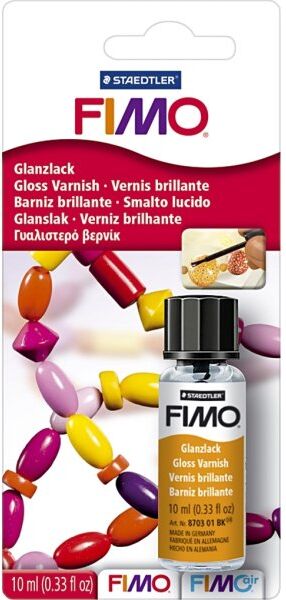
Fimo Accessories, Glanslak, 10mlGlans- og beskyttelseslak til dine kreationer i FimolerMed denne lak fra Fimo får du en vandbaseret glanslak, som giver dine hærdede figurer og kreationer i Fimoler en flot, glat og glansfuld overfalde. Samtidig er Fimo glanslak også en god beskyttelseslak, da den ligger en beskyttende hinde på overfalden af dine figurer, så de holder sig flotte i længere tid. Lakken påføres nemt ved hjælp af den lille børste i låget og tørrer klart og gennemsigtigt op. Dertil er lakken lysægte, så farverne forbliver stærke, klare og glansfulde.Indhold: 10 mlTil glans og overfladebeskyttelsePåføringsbørste i låget48,69 DKK*Shipping: 81,19 DKKSecure redirect to the provider
-
Fimo Accessories, Rulle, 1 Stk.Praktisk rulle fra FimoMed Fimo Accessoires rulle for du en praktisk rulle i akrylplast til udrulning af Fimoler, modellervoks og ler. Ved udrulning af modelleringmaterialerne opnår du en glat og fin overfalde. Rullens glatte overfalde gør det nemt og enkelt at udrulle forskellige moddelingsmaterialer uden at de hænger fast, så du er sikker på at få en jævn og helt glat overflade.Materiale: AkrylDiameter: 25 mmLængde: 20 cm148,75 DKK*Shipping: 81,19 DKKSecure redirect to the provider
-
What is the difference between self-pollination and cross-pollination?
Self-pollination occurs when pollen from the same plant fertilizes the ovules within the same flower or between different flowers on the same plant. This can happen through the transfer of pollen by wind, water, or self-pollinating mechanisms. On the other hand, cross-pollination involves the transfer of pollen from the male reproductive organ of one plant to the female reproductive organ of another plant of the same species. This process promotes genetic diversity and can result in stronger, more resilient offspring. **
-
What is pollination in flowers?
Pollination in flowers is the process by which pollen from the male reproductive organs (anthers) of a flower is transferred to the female reproductive organs (stigma) of the same or another flower, leading to fertilization and the production of seeds. This transfer of pollen can occur through various means, including wind, water, and animals such as bees, butterflies, and birds. Pollination is essential for the reproduction of flowering plants and the production of fruits and seeds. **
-
How does pollination occur in insects?
Pollination in insects occurs when they visit flowers in search of nectar or pollen. As they feed, they inadvertently brush against the reproductive parts of the flower, picking up pollen grains. When the insect moves to another flower of the same species, some of this pollen is transferred to the stigma, fertilizing the flower. This process allows for the successful reproduction of many plant species with the help of insect pollinators. **
-
What forms of pollination exist in primroses?
Primroses exhibit both self-pollination and cross-pollination. Self-pollination occurs when the plant's own pollen fertilizes its own ovules, leading to genetic uniformity. Cross-pollination, on the other hand, involves the transfer of pollen from one plant to another, promoting genetic diversity. Primroses can be pollinated by insects, such as bees and butterflies, as well as by wind. **
Similar search terms for Pollination
-
Fimo Accessories, Modelleringspinde, 4 Stk.Modelleringsværktøjssæt i plastDu får her en et praktisk lille modelleringsværktøjssæt fra Fimo med 4 forskellige modelleringspinde og -værktøjer. Værktøjerne er fremstillet i rød plast og er ideelle at bruge sammen med forskellige typer af Fimoler, men kan også med fordel bruges til andre former for modellervoks og ler. Brug f.eks. modelleringsværktøjerne til at skabe kreative udformninger og finurlige små detaljer. Sæt med 4 forskellige modelleringspindeMateriale: PlastLeveres i praktisk plasthylster56,19 DKK*Shipping: 81,19 DKKSecure redirect to the provider
-
How does the pollination of insects occur?
Insect pollination occurs when insects, such as bees, butterflies, and beetles, visit flowers in search of nectar or pollen. As they move from flower to flower, they inadvertently transfer pollen from the male reproductive parts of one flower to the female reproductive parts of another. This transfer of pollen allows for fertilization and the production of seeds and fruits. Insects are attracted to flowers by their colors, scents, and nectar, and in the process of feeding, they facilitate the crucial process of pollination. **
-
Do grapes only grow with pollination by bees?
No, grapes do not require pollination by bees to grow. Grapes are self-pollinating plants, meaning they have both male and female reproductive parts within the same flower, allowing them to pollinate themselves. While bees can help with pollination and increase grape yields, they are not necessary for grape production. **
-
What terms exist for external and internal pollination?
External pollination occurs when pollen is transferred between flowers by an external agent, such as wind, water, or animals. Internal pollination, on the other hand, occurs when pollen is transferred within the same flower or between flowers of the same plant. Both types of pollination are essential for the reproduction of many plant species. **
-
How do metabolism and pollination work in plants?
Metabolism in plants involves the process of converting sunlight, water, and carbon dioxide into energy through photosynthesis. This energy is then used to fuel the plant's growth and development. Pollination, on the other hand, is the transfer of pollen from the male reproductive organs of a flower to the female reproductive organs, leading to fertilization and the production of seeds. This process can occur through wind, water, or animal pollinators such as bees, butterflies, or birds. Both metabolism and pollination are essential processes for the survival and reproduction of plants, allowing them to produce energy and propagate their species. **
* All prices are inclusive of VAT and, if applicable, plus shipping costs. The offer information is based on the details provided by the respective shop and is updated through automated processes. Real-time updates do not occur, so deviations can occur in individual cases. ** Note: Parts of this content were created by AI.