Buy goeir.com ?
We are moving the project
goeir.com .
Are you interested in purchasing the domain
goeir.com ?
domain@kv-gmbh.de · 0541-91531010
Buy goeir.com ?
What are semi-synthetic plastics and synthetic plastics?
Semi-synthetic plastics are materials that are derived from natural polymers, such as cellulose or starch, and then chemically modified to improve their properties. Examples of semi-synthetic plastics include cellulose acetate and rayon. On the other hand, synthetic plastics are entirely man-made materials produced from chemical reactions involving petroleum-based or other synthetic polymers. Examples of synthetic plastics include polyethylene, polypropylene, and polystyrene. Both semi-synthetic and synthetic plastics are widely used in various industries due to their versatility and durability. **
What are plastics? What are the differences between thermoplastics and thermosetting plastics?
Plastics are synthetic materials made from polymers, which are long chains of molecules. They are lightweight, durable, and can be molded into various shapes, making them ideal for a wide range of applications. The main difference between thermoplastics and thermosetting plastics lies in their response to heat. Thermoplastics can be melted and reshaped multiple times without undergoing any chemical change, while thermosetting plastics undergo a chemical reaction when heated and cannot be reshaped once they have been set. This means that thermoplastics are recyclable, while thermosetting plastics are not. **


Similar search terms for Plastics
Top-Angebote
Products related to Plastics:
-
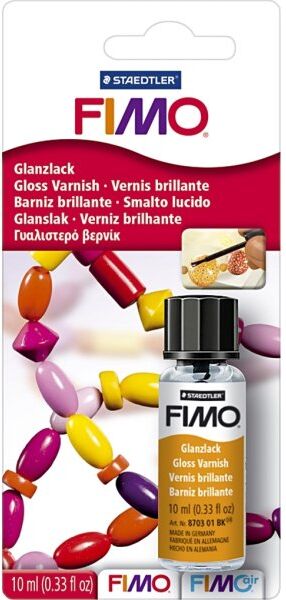
Fimo Accessories, Glanslak, 10mlGlans- og beskyttelseslak til dine kreationer i FimolerMed denne lak fra Fimo får du en vandbaseret glanslak, som giver dine hærdede figurer og kreationer i Fimoler en flot, glat og glansfuld overfalde. Samtidig er Fimo glanslak også en god beskyttelseslak, da den ligger en beskyttende hinde på overfalden af dine figurer, så de holder sig flotte i længere tid. Lakken påføres nemt ved hjælp af den lille børste i låget og tørrer klart og gennemsigtigt op. Dertil er lakken lysægte, så farverne forbliver stærke, klare og glansfulde.Indhold: 10 mlTil glans og overfladebeskyttelsePåføringsbørste i låget48,69 DKK*Shipping: 81,19 DKKSecure redirect to the provider
-
Fimo Accessories, Glanslak, 35mlGlans- og beskyttelseslak til dine kreationer i FimolerMed denne lak fra Fimo får du en vandbaseret glanslak, som giver dine hærdede figurer og kreationer i Fimoler en flot, glat og glansfuld overfalde. Samtidig er Fimo glanslak også en god beskyttelseslak, da den ligger en beskyttende hinde på overfalden af dine figurer, så de holder sig flotte i længere tid. Lakken påføres nemt ved hjælp af en lille børste eller pensel og tørrer klart og gennemsigtigt op. Dertil er lakken lysægte, så farverne forbliver stærke, klare og glansfulde.Indhold: 35 mlTil glans og overfladebeskyttelse73,69 DKK*Shipping: 81,19 DKKSecure redirect to the provider
-
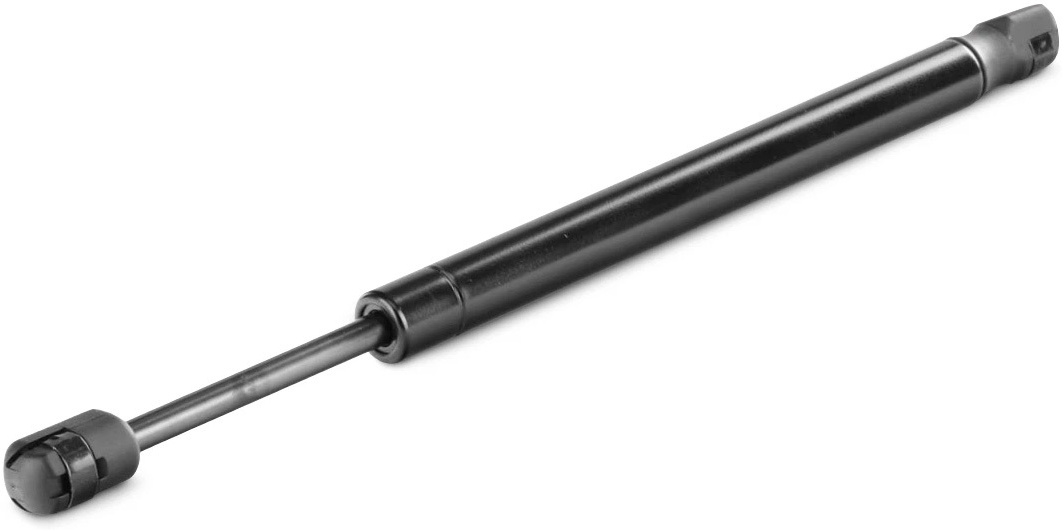
Magnum Technology MGS0100 BagklapsdæmperMonteringsside: på begge sider; Monteringsside: bag; Farve: sort; Styling: uden spoiler; Længde [mm]: 487; Slaglængde [mm]: 190; Udkastningskraft [N]: 645; Husdiameter [mm]: 18,5; Stempelstang diameter [mm]: 8142,99 DKK*Shipping: 79,00 DKKSecure redirect to the provider



-
What are plastics in chemistry?
Plastics are a group of synthetic materials made from polymers, which are long chains of molecules. These polymers are derived from petrochemicals and can be molded into various shapes and forms. Plastics are versatile materials that are used in a wide range of applications due to their durability, lightweight, and low cost. However, their non-biodegradable nature has led to environmental concerns regarding their disposal and impact on ecosystems. **
-
How are plastics properly explained?
Plastics are typically explained as synthetic materials made from polymers, which are long chains of molecules. These polymers can be molded and shaped into a wide variety of products, making plastics versatile and useful in many industries. Plastics are further categorized based on their properties, such as thermoplastics and thermosetting plastics, which determine their behavior when exposed to heat. Understanding the composition, properties, and uses of plastics is essential for proper explanation and utilization of these materials in various applications. **
-
How can one represent plastics?
Plastics can be represented in various ways, such as through visual images, physical samples, or data charts. Visual representations can include photographs or illustrations of plastic products, manufacturing processes, or environmental impacts. Physical samples of different types of plastics can be used to demonstrate their properties and applications. Data charts and graphs can also be used to represent information about plastic production, consumption, recycling rates, and environmental effects. Overall, representing plastics effectively involves using a combination of visual, physical, and data-driven methods to convey information about this versatile and widely used material. **
-
How do you remove plastics?
To remove plastics, you can start by reducing your use of single-use plastics and opting for reusable alternatives. You can also recycle any plastic items that you no longer need by sorting them and placing them in the appropriate recycling bins. Additionally, participating in beach or community clean-up events can help remove plastics from the environment. Finally, supporting policies and initiatives that aim to reduce plastic pollution can also contribute to the removal of plastics from the environment. **

What is the essential difference between welding plastics and metals in joining technology?
The essential difference between welding plastics and metals in joining technology lies in the nature of the materials themselves. Welding plastics involves using heat to melt and fuse the plastic materials together, creating a strong bond. On the other hand, welding metals involves melting the base metals and adding a filler material to create a joint. Additionally, the temperature and techniques used in welding plastics are different from those used in welding metals, as plastics have lower melting points and are more sensitive to heat. Therefore, the essential difference lies in the specific methods and considerations required for each material type. **
How do plastics change their properties?
Plastics can change their properties through processes such as heating, cooling, or adding additives. For example, heating can make plastics more malleable and easier to shape, while cooling can make them harder and more rigid. Additives like plasticizers can also be used to alter properties such as flexibility and durability. Overall, the properties of plastics can be manipulated to suit different applications and requirements. **
Top-Angebote
Products related to Plastics:
-
No-Name Affaldspiktogram 12x12cm Selvklæb, PlasticsSelvklæbende piktogram til affaldssortering på engelsk Gør sortering af affald effektiv og let som en leg med disse klistermærker med sorteringsgrupper på engelsk. Ideelle til at sætte på hvilken som helst sorteringsenhed eller affaldsstation. De selvklæbende mærkater er fremstillet i klare og tydeligt forskellige farver, så det er nemt at kende forskel. De er derved med til at tydeliggøre og synliggøre hvilke affaldsgrupper, der sorteres efter.Ønsker du en flytbar løsning, kan du tilkøbe magnetplade 12 x 12 cm (varenr. 60248500), så piktogrammet nemt kan flyttes efter behov. Sorteringsgruppe: Plastics Montering: Selvklæbende Farve: Lilla Mål: 12 x 12 cm Kan aftørres med en fugtig klud Til indendørsbrug62,44 DKK*Shipping: 81,19 DKKSecure redirect to the provider
-
No-Name Affaldspiktogram 16x3cm Selvklæb, PlasticsSelvklæbende piktogram til affaldssortering på engelsk Gør sortering af affald effektiv og let som en leg med disse klistermærker med sorteringsgrupper på engelsk. Ideelle til at sætte på hvilken som helst sorteringsenhed eller affaldsstation. De selvklæbende mærkater er fremstillet i klare og tydeligt forskellige farver, så det er nemt at kende forskel. De er derved med til at tydeliggøre og synliggøre hvilke affaldsgrupper, der sorteres efter. Sorteringsgruppe: Plastics Montering: Selvklæbende Farve: Lilla Mål: 16 x 3 cm Kan aftørres med en fugtig klud Til indendørsbrug62,44 DKK*Shipping: 81,19 DKKSecure redirect to the provider
-
Fimo Accessories, Glanslak, 10mlGlans- og beskyttelseslak til dine kreationer i FimolerMed denne lak fra Fimo får du en vandbaseret glanslak, som giver dine hærdede figurer og kreationer i Fimoler en flot, glat og glansfuld overfalde. Samtidig er Fimo glanslak også en god beskyttelseslak, da den ligger en beskyttende hinde på overfalden af dine figurer, så de holder sig flotte i længere tid. Lakken påføres nemt ved hjælp af den lille børste i låget og tørrer klart og gennemsigtigt op. Dertil er lakken lysægte, så farverne forbliver stærke, klare og glansfulde.Indhold: 10 mlTil glans og overfladebeskyttelsePåføringsbørste i låget48,69 DKK*Shipping: 81,19 DKKSecure redirect to the provider
-
What are semi-synthetic plastics and synthetic plastics?
Semi-synthetic plastics are materials that are derived from natural polymers, such as cellulose or starch, and then chemically modified to improve their properties. Examples of semi-synthetic plastics include cellulose acetate and rayon. On the other hand, synthetic plastics are entirely man-made materials produced from chemical reactions involving petroleum-based or other synthetic polymers. Examples of synthetic plastics include polyethylene, polypropylene, and polystyrene. Both semi-synthetic and synthetic plastics are widely used in various industries due to their versatility and durability. **
-
What are plastics? What are the differences between thermoplastics and thermosetting plastics?
Plastics are synthetic materials made from polymers, which are long chains of molecules. They are lightweight, durable, and can be molded into various shapes, making them ideal for a wide range of applications. The main difference between thermoplastics and thermosetting plastics lies in their response to heat. Thermoplastics can be melted and reshaped multiple times without undergoing any chemical change, while thermosetting plastics undergo a chemical reaction when heated and cannot be reshaped once they have been set. This means that thermoplastics are recyclable, while thermosetting plastics are not. **
-
What are plastics in chemistry?
Plastics are a group of synthetic materials made from polymers, which are long chains of molecules. These polymers are derived from petrochemicals and can be molded into various shapes and forms. Plastics are versatile materials that are used in a wide range of applications due to their durability, lightweight, and low cost. However, their non-biodegradable nature has led to environmental concerns regarding their disposal and impact on ecosystems. **
-
How are plastics properly explained?
Plastics are typically explained as synthetic materials made from polymers, which are long chains of molecules. These polymers can be molded and shaped into a wide variety of products, making plastics versatile and useful in many industries. Plastics are further categorized based on their properties, such as thermoplastics and thermosetting plastics, which determine their behavior when exposed to heat. Understanding the composition, properties, and uses of plastics is essential for proper explanation and utilization of these materials in various applications. **
Similar search terms for Plastics
-
Fimo Accessories, Glanslak, 35mlGlans- og beskyttelseslak til dine kreationer i FimolerMed denne lak fra Fimo får du en vandbaseret glanslak, som giver dine hærdede figurer og kreationer i Fimoler en flot, glat og glansfuld overfalde. Samtidig er Fimo glanslak også en god beskyttelseslak, da den ligger en beskyttende hinde på overfalden af dine figurer, så de holder sig flotte i længere tid. Lakken påføres nemt ved hjælp af en lille børste eller pensel og tørrer klart og gennemsigtigt op. Dertil er lakken lysægte, så farverne forbliver stærke, klare og glansfulde.Indhold: 35 mlTil glans og overfladebeskyttelse73,69 DKK*Shipping: 81,19 DKKSecure redirect to the provider
-
Magnum Technology MGS0100 BagklapsdæmperMonteringsside: på begge sider; Monteringsside: bag; Farve: sort; Styling: uden spoiler; Længde [mm]: 487; Slaglængde [mm]: 190; Udkastningskraft [N]: 645; Husdiameter [mm]: 18,5; Stempelstang diameter [mm]: 8142,99 DKK*Shipping: 79,00 DKKSecure redirect to the provider
-
How can one represent plastics?
Plastics can be represented in various ways, such as through visual images, physical samples, or data charts. Visual representations can include photographs or illustrations of plastic products, manufacturing processes, or environmental impacts. Physical samples of different types of plastics can be used to demonstrate their properties and applications. Data charts and graphs can also be used to represent information about plastic production, consumption, recycling rates, and environmental effects. Overall, representing plastics effectively involves using a combination of visual, physical, and data-driven methods to convey information about this versatile and widely used material. **
-
How do you remove plastics?
To remove plastics, you can start by reducing your use of single-use plastics and opting for reusable alternatives. You can also recycle any plastic items that you no longer need by sorting them and placing them in the appropriate recycling bins. Additionally, participating in beach or community clean-up events can help remove plastics from the environment. Finally, supporting policies and initiatives that aim to reduce plastic pollution can also contribute to the removal of plastics from the environment. **
-
What is the essential difference between welding plastics and metals in joining technology?
The essential difference between welding plastics and metals in joining technology lies in the nature of the materials themselves. Welding plastics involves using heat to melt and fuse the plastic materials together, creating a strong bond. On the other hand, welding metals involves melting the base metals and adding a filler material to create a joint. Additionally, the temperature and techniques used in welding plastics are different from those used in welding metals, as plastics have lower melting points and are more sensitive to heat. Therefore, the essential difference lies in the specific methods and considerations required for each material type. **
-
How do plastics change their properties?
Plastics can change their properties through processes such as heating, cooling, or adding additives. For example, heating can make plastics more malleable and easier to shape, while cooling can make them harder and more rigid. Additives like plasticizers can also be used to alter properties such as flexibility and durability. Overall, the properties of plastics can be manipulated to suit different applications and requirements. **
* All prices are inclusive of VAT and, if applicable, plus shipping costs. The offer information is based on the details provided by the respective shop and is updated through automated processes. Real-time updates do not occur, so deviations can occur in individual cases. ** Note: Parts of this content were created by AI.