Buy goeir.com ?
We are moving the project
goeir.com .
Are you interested in purchasing the domain
goeir.com ?
domain@kv-gmbh.de · 0541-91531010
Buy goeir.com ?
What is the difference between biotechnology and pharmaceutical technology?
Biotechnology involves the use of living organisms or their products to develop new products or processes, such as genetically modified crops or biofuels. Pharmaceutical technology, on the other hand, focuses on the development and production of drugs and medications for medical use. While both fields may involve the use of advanced scientific techniques and technologies, biotechnology is more broadly focused on the manipulation of biological systems, while pharmaceutical technology is specifically focused on the development of drugs for human and animal health. **
What are the differences between pharmacy and pharmaceutical technology?
Pharmacy is the study and practice of preparing and dispensing medication, as well as providing patient care and counseling on the use of medications. Pharmacists are responsible for ensuring the safe and effective use of medications. On the other hand, pharmaceutical technology focuses on the development, manufacturing, and quality control of pharmaceutical products. Professionals in pharmaceutical technology work on the formulation, production, and testing of medications, as well as the development of new drug delivery systems and technologies. While both fields are related to medications, pharmacy is more focused on patient care and dispensing, while pharmaceutical technology is more focused on the technical aspects of drug development and manufacturing. **

Similar search terms for Pharmaceutical
Top-Angebote
Products related to Pharmaceutical:
-
Fimo Accessories, Rulle, 1 Stk.Praktisk rulle fra FimoMed Fimo Accessoires rulle for du en praktisk rulle i akrylplast til udrulning af Fimoler, modellervoks og ler. Ved udrulning af modelleringmaterialerne opnår du en glat og fin overfalde. Rullens glatte overfalde gør det nemt og enkelt at udrulle forskellige moddelingsmaterialer uden at de hænger fast, så du er sikker på at få en jævn og helt glat overflade.Materiale: AkrylDiameter: 25 mmLængde: 20 cm148,75 DKK*Shipping: 81,19 DKKSecure redirect to the provider
-
Fimo Accessories, Modelleringspinde, 4 Stk.Modelleringsværktøjssæt i plastDu får her en et praktisk lille modelleringsværktøjssæt fra Fimo med 4 forskellige modelleringspinde og -værktøjer. Værktøjerne er fremstillet i rød plast og er ideelle at bruge sammen med forskellige typer af Fimoler, men kan også med fordel bruges til andre former for modellervoks og ler. Brug f.eks. modelleringsværktøjerne til at skabe kreative udformninger og finurlige små detaljer. Sæt med 4 forskellige modelleringspindeMateriale: PlastLeveres i praktisk plasthylster56,19 DKK*Shipping: 81,19 DKKSecure redirect to the provider


-
What are alternative professions to a pharmaceutical technology degree?
Alternative professions to a pharmaceutical technology degree include roles in pharmaceutical sales, regulatory affairs, quality control, research and development, and clinical trials management. Graduates with this degree can also pursue careers in pharmaceutical manufacturing, drug safety monitoring, and medical writing. Additionally, they may find opportunities in healthcare consulting, supply chain management, and product management within the pharmaceutical industry. **
-
What is a pharmaceutical technician in the pharmaceutical industry?
A pharmaceutical technician in the pharmaceutical industry is a professional who works under the supervision of a pharmacist to prepare and dispense medications. They are responsible for measuring, mixing, and packaging medications, as well as maintaining accurate records of prescriptions and inventory. Pharmaceutical technicians also play a crucial role in ensuring that medications are prepared safely and accurately, following all regulatory guidelines and quality standards. Additionally, they may also provide customer service and support to patients and healthcare providers. **
-
Are there pharmaceutical companies?
Yes, there are pharmaceutical companies that specialize in the research, development, and production of medications and drugs. These companies play a crucial role in the healthcare industry by creating new treatments for various medical conditions and diseases. They also work to ensure the safety and effectiveness of their products through rigorous testing and regulatory approval processes. Pharmaceutical companies often collaborate with healthcare providers, researchers, and government agencies to improve public health and advance medical science. **
-
Are pharmaceutical tablets homogeneous?
Yes, pharmaceutical tablets are typically designed to be homogeneous, meaning that the active ingredient and other components are evenly distributed throughout the tablet. This ensures that each tablet contains a consistent amount of the active ingredient, allowing for accurate dosing and effectiveness. Homogeneity is an important quality control parameter in the manufacturing of pharmaceutical tablets to ensure their safety and efficacy. **


How do I progress from a pharmaceutical assistant to a pharmaceutical technician?
To progress from a pharmaceutical assistant to a pharmaceutical technician, you can start by gaining experience and knowledge in the field. Consider pursuing a formal education or certification program in pharmacy technology to enhance your skills and qualifications. Additionally, seek out opportunities for on-the-job training or internships to gain practical experience in a pharmacy setting. Networking with professionals in the field and staying updated on industry trends and regulations can also help you advance in your career as a pharmaceutical technician. **
What is the training for pharmaceutical assistant (PKA) and pharmaceutical-technical assistant (PTA)?
The training for pharmaceutical assistant (PKA) and pharmaceutical-technical assistant (PTA) typically involves a combination of classroom instruction and practical experience. PKA training usually lasts for 2-3 years and includes coursework in pharmaceutical science, pharmacology, and pharmacy law, as well as practical training in a pharmacy setting. PTA training is more advanced and typically lasts for 3 years, with a focus on more technical aspects of pharmaceutical work, such as compounding medications and quality control. Both PKA and PTA training programs are designed to prepare individuals for careers in pharmacy settings, such as retail pharmacies, hospitals, or pharmaceutical companies. **
Top-Angebote
Products related to Pharmaceutical:
-
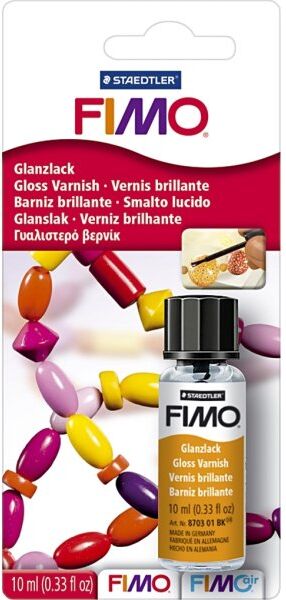
Fimo Accessories, Glanslak, 10mlGlans- og beskyttelseslak til dine kreationer i FimolerMed denne lak fra Fimo får du en vandbaseret glanslak, som giver dine hærdede figurer og kreationer i Fimoler en flot, glat og glansfuld overfalde. Samtidig er Fimo glanslak også en god beskyttelseslak, da den ligger en beskyttende hinde på overfalden af dine figurer, så de holder sig flotte i længere tid. Lakken påføres nemt ved hjælp af den lille børste i låget og tørrer klart og gennemsigtigt op. Dertil er lakken lysægte, så farverne forbliver stærke, klare og glansfulde.Indhold: 10 mlTil glans og overfladebeskyttelsePåføringsbørste i låget48,69 DKK*Shipping: 81,19 DKKSecure redirect to the provider
-
Fimo Accessories, Rulle, 1 Stk.Praktisk rulle fra FimoMed Fimo Accessoires rulle for du en praktisk rulle i akrylplast til udrulning af Fimoler, modellervoks og ler. Ved udrulning af modelleringmaterialerne opnår du en glat og fin overfalde. Rullens glatte overfalde gør det nemt og enkelt at udrulle forskellige moddelingsmaterialer uden at de hænger fast, så du er sikker på at få en jævn og helt glat overflade.Materiale: AkrylDiameter: 25 mmLængde: 20 cm148,75 DKK*Shipping: 81,19 DKKSecure redirect to the provider
-
What is the difference between biotechnology and pharmaceutical technology?
Biotechnology involves the use of living organisms or their products to develop new products or processes, such as genetically modified crops or biofuels. Pharmaceutical technology, on the other hand, focuses on the development and production of drugs and medications for medical use. While both fields may involve the use of advanced scientific techniques and technologies, biotechnology is more broadly focused on the manipulation of biological systems, while pharmaceutical technology is specifically focused on the development of drugs for human and animal health. **
-
What are the differences between pharmacy and pharmaceutical technology?
Pharmacy is the study and practice of preparing and dispensing medication, as well as providing patient care and counseling on the use of medications. Pharmacists are responsible for ensuring the safe and effective use of medications. On the other hand, pharmaceutical technology focuses on the development, manufacturing, and quality control of pharmaceutical products. Professionals in pharmaceutical technology work on the formulation, production, and testing of medications, as well as the development of new drug delivery systems and technologies. While both fields are related to medications, pharmacy is more focused on patient care and dispensing, while pharmaceutical technology is more focused on the technical aspects of drug development and manufacturing. **
-
What are alternative professions to a pharmaceutical technology degree?
Alternative professions to a pharmaceutical technology degree include roles in pharmaceutical sales, regulatory affairs, quality control, research and development, and clinical trials management. Graduates with this degree can also pursue careers in pharmaceutical manufacturing, drug safety monitoring, and medical writing. Additionally, they may find opportunities in healthcare consulting, supply chain management, and product management within the pharmaceutical industry. **
-
What is a pharmaceutical technician in the pharmaceutical industry?
A pharmaceutical technician in the pharmaceutical industry is a professional who works under the supervision of a pharmacist to prepare and dispense medications. They are responsible for measuring, mixing, and packaging medications, as well as maintaining accurate records of prescriptions and inventory. Pharmaceutical technicians also play a crucial role in ensuring that medications are prepared safely and accurately, following all regulatory guidelines and quality standards. Additionally, they may also provide customer service and support to patients and healthcare providers. **
Similar search terms for Pharmaceutical
-
Fimo Accessories, Modelleringspinde, 4 Stk.Modelleringsværktøjssæt i plastDu får her en et praktisk lille modelleringsværktøjssæt fra Fimo med 4 forskellige modelleringspinde og -værktøjer. Værktøjerne er fremstillet i rød plast og er ideelle at bruge sammen med forskellige typer af Fimoler, men kan også med fordel bruges til andre former for modellervoks og ler. Brug f.eks. modelleringsværktøjerne til at skabe kreative udformninger og finurlige små detaljer. Sæt med 4 forskellige modelleringspindeMateriale: PlastLeveres i praktisk plasthylster56,19 DKK*Shipping: 81,19 DKKSecure redirect to the provider
-
Are there pharmaceutical companies?
Yes, there are pharmaceutical companies that specialize in the research, development, and production of medications and drugs. These companies play a crucial role in the healthcare industry by creating new treatments for various medical conditions and diseases. They also work to ensure the safety and effectiveness of their products through rigorous testing and regulatory approval processes. Pharmaceutical companies often collaborate with healthcare providers, researchers, and government agencies to improve public health and advance medical science. **
-
Are pharmaceutical tablets homogeneous?
Yes, pharmaceutical tablets are typically designed to be homogeneous, meaning that the active ingredient and other components are evenly distributed throughout the tablet. This ensures that each tablet contains a consistent amount of the active ingredient, allowing for accurate dosing and effectiveness. Homogeneity is an important quality control parameter in the manufacturing of pharmaceutical tablets to ensure their safety and efficacy. **
-
How do I progress from a pharmaceutical assistant to a pharmaceutical technician?
To progress from a pharmaceutical assistant to a pharmaceutical technician, you can start by gaining experience and knowledge in the field. Consider pursuing a formal education or certification program in pharmacy technology to enhance your skills and qualifications. Additionally, seek out opportunities for on-the-job training or internships to gain practical experience in a pharmacy setting. Networking with professionals in the field and staying updated on industry trends and regulations can also help you advance in your career as a pharmaceutical technician. **
-
What is the training for pharmaceutical assistant (PKA) and pharmaceutical-technical assistant (PTA)?
The training for pharmaceutical assistant (PKA) and pharmaceutical-technical assistant (PTA) typically involves a combination of classroom instruction and practical experience. PKA training usually lasts for 2-3 years and includes coursework in pharmaceutical science, pharmacology, and pharmacy law, as well as practical training in a pharmacy setting. PTA training is more advanced and typically lasts for 3 years, with a focus on more technical aspects of pharmaceutical work, such as compounding medications and quality control. Both PKA and PTA training programs are designed to prepare individuals for careers in pharmacy settings, such as retail pharmacies, hospitals, or pharmaceutical companies. **
* All prices are inclusive of VAT and, if applicable, plus shipping costs. The offer information is based on the details provided by the respective shop and is updated through automated processes. Real-time updates do not occur, so deviations can occur in individual cases. ** Note: Parts of this content were created by AI.