Buy goeir.com ?
We are moving the project
goeir.com .
Are you interested in purchasing the domain
goeir.com ?
domain@kv-gmbh.de · 0541-91531010
Buy goeir.com ?
What is thermal resistance in electronics?
Thermal resistance in electronics refers to the measure of how a material or component resists the flow of heat. It is important in electronics to manage heat dissipation to prevent overheating and ensure the proper functioning of components. Thermal resistance is typically measured in degrees Celsius per watt (°C/W) and is used to calculate the temperature rise of a component for a given power input. Lower thermal resistance values indicate better heat dissipation capabilities. **
What is the difference between resistance and specific resistance?
Resistance is the opposition to the flow of electric current in a material, measured in ohms. It is a property of the material itself. Specific resistance, also known as resistivity, is a material property that quantifies how strongly a material opposes the flow of electric current. It is a characteristic of the material's composition and is used to calculate the resistance of a specific shape and size of material. **

Similar search terms for Resistance
Top-Angebote
Products related to Resistance:
-
Fimo Accessories, Rulle, 1 Stk.Praktisk rulle fra FimoMed Fimo Accessoires rulle for du en praktisk rulle i akrylplast til udrulning af Fimoler, modellervoks og ler. Ved udrulning af modelleringmaterialerne opnår du en glat og fin overfalde. Rullens glatte overfalde gør det nemt og enkelt at udrulle forskellige moddelingsmaterialer uden at de hænger fast, så du er sikker på at få en jævn og helt glat overflade.Materiale: AkrylDiameter: 25 mmLængde: 20 cm148,75 DKK*Shipping: 81,19 DKKSecure redirect to the provider
-
Fimo Accessories, Modelleringspinde, 4 Stk.Modelleringsværktøjssæt i plastDu får her en et praktisk lille modelleringsværktøjssæt fra Fimo med 4 forskellige modelleringspinde og -værktøjer. Værktøjerne er fremstillet i rød plast og er ideelle at bruge sammen med forskellige typer af Fimoler, men kan også med fordel bruges til andre former for modellervoks og ler. Brug f.eks. modelleringsværktøjerne til at skabe kreative udformninger og finurlige små detaljer. Sæt med 4 forskellige modelleringspindeMateriale: PlastLeveres i praktisk plasthylster56,19 DKK*Shipping: 81,19 DKKSecure redirect to the provider


-
What is the difference between electrical resistance and specific resistance?
Electrical resistance is the opposition to the flow of electric current in a material, measured in ohms. It is a property of the material itself and is dependent on factors such as the material's dimensions and temperature. Specific resistance, on the other hand, is a material property that quantifies how much a material resists the flow of electric current compared to a standard material. It is also known as resistivity and is measured in ohm-meters. In essence, electrical resistance is the overall resistance of a material, while specific resistance is a more intrinsic property of the material itself. **
-
What are the tolerances for resistance chains and resistance cubes?
The tolerances for resistance chains and resistance cubes typically vary depending on the manufacturer and the specific product. However, in general, resistance chains and cubes are designed to have tight tolerances to ensure accurate and consistent resistance levels for users. It is common for resistance chains and cubes to have tolerances within a few percentage points to maintain their effectiveness and reliability during workouts. It is recommended to refer to the product specifications provided by the manufacturer for more detailed information on the tolerances of specific resistance chains and cubes. **
-
How do I calculate the resistance with the internal resistance?
To calculate the total resistance with the internal resistance, you can use the formula: R_total = R_internal + R_external, where R_total is the total resistance, R_internal is the internal resistance, and R_external is the external resistance. This formula takes into account the resistance from both the internal and external components of the circuit. By adding the internal and external resistances together, you can determine the total resistance in the circuit. **
-
Is the protective resistance the same as the series resistance?
No, the protective resistance is not the same as the series resistance. The protective resistance is a component used to limit the current in a circuit and protect other components from damage. It is typically used in parallel with the component it is protecting. On the other hand, the series resistance is a component that is connected in series with other components in a circuit, affecting the overall resistance and current flow in the circuit. While both resistances are used to control current, they serve different purposes and are connected in different ways within a circuit. **


What is the difference between insulation resistance and surface resistance?
Insulation resistance measures the resistance to the flow of current through the insulation material between two conductors, while surface resistance measures the resistance to the flow of current across the surface of a material. Insulation resistance is typically used to assess the effectiveness of insulation materials in preventing current leakage, while surface resistance is used to evaluate the cleanliness and conductivity of surfaces in electronic and electrical applications. In summary, insulation resistance measures the resistance through a material, while surface resistance measures the resistance across a material's surface. **
What is the difference between specific resistance and direct current resistance?
Specific resistance, also known as resistivity, is a material property that measures the resistance of a specific material to the flow of electric current. It is expressed in ohm-meter and is a characteristic of the material itself. On the other hand, direct current resistance refers to the resistance of a specific component or device to the flow of direct current. It is measured in ohms and depends on the physical dimensions and material properties of the component. In summary, specific resistance is a material property, while direct current resistance is a property of a specific component or device. **
Top-Angebote
Products related to Resistance:
-
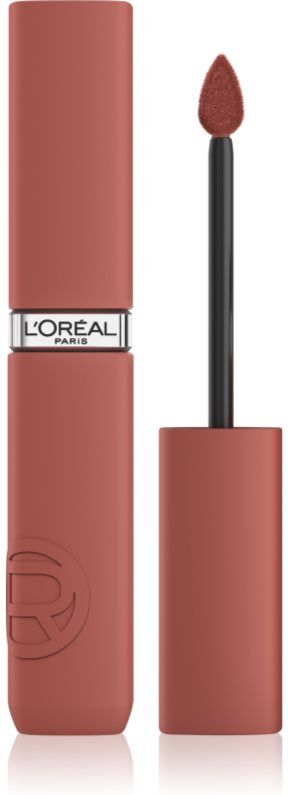
L’Oréal Paris Infaillible Matte Resistance Fugtgivende mat læbestift Skygge 635 Worth It Medium 5 mlL’Oréal Paris Infaillible Matte Resistance, 5 ml, Læbestifter til kvinder , Smukke og fremhævede læber går aldrig af mode. Læbestiften L’Oréal Paris Infaillible Matte Resistance dækker dine læbers overflade med et sammenhængende lag i en uimodståelig mættet farve, og således understreger den på perfekt vis enhver makeup, uanset om du skal på arbejde, til møde eller måske til fest. Den giver dig ikke blot mulighed for at fremhæve læberne, men også for at give dem den ønskede form og eventuelt bidrage til at give dem et mere fyldigt udseende. På et øjeblik vil den kort sagt hjælpe dig med at få vidunderligt farvede og perfekt formede læber, der bogstaveligt talt tiltrækker blikke og forfører til kys. Egenskaber: holder længe høj pigmentering er nem at påføre giver læberne fugt og plejer dem flydende tekstur mathedseffekt Brugsvejledning: Påfør et farvet lag ved hjælp af applikatoren.135,00 DKK*Shipping: 44,00 DKKSecure redirect to the provider
-
Fimo Accessories, Glanslak, 10mlGlans- og beskyttelseslak til dine kreationer i FimolerMed denne lak fra Fimo får du en vandbaseret glanslak, som giver dine hærdede figurer og kreationer i Fimoler en flot, glat og glansfuld overfalde. Samtidig er Fimo glanslak også en god beskyttelseslak, da den ligger en beskyttende hinde på overfalden af dine figurer, så de holder sig flotte i længere tid. Lakken påføres nemt ved hjælp af den lille børste i låget og tørrer klart og gennemsigtigt op. Dertil er lakken lysægte, så farverne forbliver stærke, klare og glansfulde.Indhold: 10 mlTil glans og overfladebeskyttelsePåføringsbørste i låget48,69 DKK*Shipping: 81,19 DKKSecure redirect to the provider
-
Fimo Accessories, Rulle, 1 Stk.Praktisk rulle fra FimoMed Fimo Accessoires rulle for du en praktisk rulle i akrylplast til udrulning af Fimoler, modellervoks og ler. Ved udrulning af modelleringmaterialerne opnår du en glat og fin overfalde. Rullens glatte overfalde gør det nemt og enkelt at udrulle forskellige moddelingsmaterialer uden at de hænger fast, så du er sikker på at få en jævn og helt glat overflade.Materiale: AkrylDiameter: 25 mmLængde: 20 cm148,75 DKK*Shipping: 81,19 DKKSecure redirect to the provider
-
What is thermal resistance in electronics?
Thermal resistance in electronics refers to the measure of how a material or component resists the flow of heat. It is important in electronics to manage heat dissipation to prevent overheating and ensure the proper functioning of components. Thermal resistance is typically measured in degrees Celsius per watt (°C/W) and is used to calculate the temperature rise of a component for a given power input. Lower thermal resistance values indicate better heat dissipation capabilities. **
-
What is the difference between resistance and specific resistance?
Resistance is the opposition to the flow of electric current in a material, measured in ohms. It is a property of the material itself. Specific resistance, also known as resistivity, is a material property that quantifies how strongly a material opposes the flow of electric current. It is a characteristic of the material's composition and is used to calculate the resistance of a specific shape and size of material. **
-
What is the difference between electrical resistance and specific resistance?
Electrical resistance is the opposition to the flow of electric current in a material, measured in ohms. It is a property of the material itself and is dependent on factors such as the material's dimensions and temperature. Specific resistance, on the other hand, is a material property that quantifies how much a material resists the flow of electric current compared to a standard material. It is also known as resistivity and is measured in ohm-meters. In essence, electrical resistance is the overall resistance of a material, while specific resistance is a more intrinsic property of the material itself. **
-
What are the tolerances for resistance chains and resistance cubes?
The tolerances for resistance chains and resistance cubes typically vary depending on the manufacturer and the specific product. However, in general, resistance chains and cubes are designed to have tight tolerances to ensure accurate and consistent resistance levels for users. It is common for resistance chains and cubes to have tolerances within a few percentage points to maintain their effectiveness and reliability during workouts. It is recommended to refer to the product specifications provided by the manufacturer for more detailed information on the tolerances of specific resistance chains and cubes. **
Similar search terms for Resistance
-
Fimo Accessories, Modelleringspinde, 4 Stk.Modelleringsværktøjssæt i plastDu får her en et praktisk lille modelleringsværktøjssæt fra Fimo med 4 forskellige modelleringspinde og -værktøjer. Værktøjerne er fremstillet i rød plast og er ideelle at bruge sammen med forskellige typer af Fimoler, men kan også med fordel bruges til andre former for modellervoks og ler. Brug f.eks. modelleringsværktøjerne til at skabe kreative udformninger og finurlige små detaljer. Sæt med 4 forskellige modelleringspindeMateriale: PlastLeveres i praktisk plasthylster56,19 DKK*Shipping: 81,19 DKKSecure redirect to the provider
-
How do I calculate the resistance with the internal resistance?
To calculate the total resistance with the internal resistance, you can use the formula: R_total = R_internal + R_external, where R_total is the total resistance, R_internal is the internal resistance, and R_external is the external resistance. This formula takes into account the resistance from both the internal and external components of the circuit. By adding the internal and external resistances together, you can determine the total resistance in the circuit. **
-
Is the protective resistance the same as the series resistance?
No, the protective resistance is not the same as the series resistance. The protective resistance is a component used to limit the current in a circuit and protect other components from damage. It is typically used in parallel with the component it is protecting. On the other hand, the series resistance is a component that is connected in series with other components in a circuit, affecting the overall resistance and current flow in the circuit. While both resistances are used to control current, they serve different purposes and are connected in different ways within a circuit. **
-
What is the difference between insulation resistance and surface resistance?
Insulation resistance measures the resistance to the flow of current through the insulation material between two conductors, while surface resistance measures the resistance to the flow of current across the surface of a material. Insulation resistance is typically used to assess the effectiveness of insulation materials in preventing current leakage, while surface resistance is used to evaluate the cleanliness and conductivity of surfaces in electronic and electrical applications. In summary, insulation resistance measures the resistance through a material, while surface resistance measures the resistance across a material's surface. **
-
What is the difference between specific resistance and direct current resistance?
Specific resistance, also known as resistivity, is a material property that measures the resistance of a specific material to the flow of electric current. It is expressed in ohm-meter and is a characteristic of the material itself. On the other hand, direct current resistance refers to the resistance of a specific component or device to the flow of direct current. It is measured in ohms and depends on the physical dimensions and material properties of the component. In summary, specific resistance is a material property, while direct current resistance is a property of a specific component or device. **
* All prices are inclusive of VAT and, if applicable, plus shipping costs. The offer information is based on the details provided by the respective shop and is updated through automated processes. Real-time updates do not occur, so deviations can occur in individual cases. ** Note: Parts of this content were created by AI.