Buy goeir.com ?
We are moving the project
goeir.com .
Are you interested in purchasing the domain
goeir.com ?
domain@kv-gmbh.de · 0541-91531010
Buy goeir.com ?
How does nutrition and digestion occur in paramecia?
Paramecia obtain nutrition through phagocytosis, where they engulf food particles such as bacteria or algae using their cilia. Once the food particles are inside the paramecium, they are enclosed in a food vacuole. Digestive enzymes are then secreted into the food vacuole to break down the food particles into smaller molecules. These nutrients are then absorbed by the paramecium for energy and growth. Any undigested material is expelled from the cell through a process called exocytosis. **
Are paramecia animal or plant single-celled organisms?
Paramecia are single-celled organisms that belong to the kingdom Protista. They are considered to be animal-like protists because they are heterotrophic, meaning they obtain their nutrients by ingesting other organisms. Paramecia are not considered to be plants because they do not perform photosynthesis and do not have cell walls made of cellulose. Instead, they have cilia for movement and feed on bacteria and other small organisms. **

Similar search terms for Paramecia
Top-Angebote
Products related to Paramecia:
-
Fimo Accessories, Rulle, 1 Stk.Praktisk rulle fra FimoMed Fimo Accessoires rulle for du en praktisk rulle i akrylplast til udrulning af Fimoler, modellervoks og ler. Ved udrulning af modelleringmaterialerne opnår du en glat og fin overfalde. Rullens glatte overfalde gør det nemt og enkelt at udrulle forskellige moddelingsmaterialer uden at de hænger fast, så du er sikker på at få en jævn og helt glat overflade.Materiale: AkrylDiameter: 25 mmLængde: 20 cm148,75 DKK*Shipping: 81,19 DKKSecure redirect to the provider
-
Fimo Accessories, Modelleringspinde, 4 Stk.Modelleringsværktøjssæt i plastDu får her en et praktisk lille modelleringsværktøjssæt fra Fimo med 4 forskellige modelleringspinde og -værktøjer. Værktøjerne er fremstillet i rød plast og er ideelle at bruge sammen med forskellige typer af Fimoler, men kan også med fordel bruges til andre former for modellervoks og ler. Brug f.eks. modelleringsværktøjerne til at skabe kreative udformninger og finurlige små detaljer. Sæt med 4 forskellige modelleringspindeMateriale: PlastLeveres i praktisk plasthylster56,19 DKK*Shipping: 81,19 DKKSecure redirect to the provider


-
What does the competition look like for paramecia?
The competition for paramecia is primarily with other microorganisms in their environment, such as bacteria and other protozoa. They compete for resources such as food and living space. Paramecia use their cilia to move and feed on bacteria and other small organisms, and they also reproduce rapidly, allowing them to outcompete other microorganisms for resources. Additionally, paramecia may also face competition from predators such as other protozoa, small crustaceans, and even some types of algae. **
-
What can be observed with a microscope in paramecia?
With a microscope, one can observe the cilia that paramecia use for movement, as well as their characteristic slipper-like shape. Additionally, the nucleus, contractile vacuoles, and food vacuoles within the paramecia can be seen under a microscope. Observing paramecia under a microscope can also reveal their feeding behavior, as they engulf food particles through a process called phagocytosis. **
-
How does the nutrition and digestion occur in paramecia?
Paramecia obtain nutrition through phagocytosis, where they engulf food particles such as bacteria, algae, and other organic matter. Once inside the cell, the food vacuole containing the engulfed particles fuses with lysosomes, where digestion occurs. Enzymes within the lysosomes break down the food particles into smaller molecules, which are then absorbed and utilized by the paramecium for energy and growth. Waste products are expelled from the cell through a specialized structure called the anal pore. **
-
Why do some paramecia not have a pulsating vacuole?
Some paramecia do not have a pulsating vacuole because they may live in environments with stable water conditions, such as freshwater ponds or slow-moving streams, where they do not need to actively regulate their water balance. Additionally, some species of paramecia may have evolved alternative mechanisms for maintaining water balance, such as specialized contractile vacuoles or other cellular structures. The absence of a pulsating vacuole in certain paramecia may also be a result of genetic variation and adaptation to specific ecological niches. **


What is the ecology of paramecia and yeast cells?
Paramecia are single-celled organisms that are found in freshwater environments. They are heterotrophic, meaning they feed on bacteria and other small organisms. Paramecia play a role in the ecosystem by helping to control bacterial populations and serving as a food source for larger organisms. Yeast cells are also single-celled organisms that are found in various environments, including soil, plants, and the human body. They are important in the process of fermentation, which is used in the production of bread, beer, and wine. Yeast cells also play a role in the decomposition of organic matter and are a food source for other organisms in the ecosystem. **
What is the relationship between predators and prey in paramecia?
In paramecia, the relationship between predators and prey is that of a predator-prey dynamic. Paramecia are single-celled organisms that can act as both predators and prey in their environment. They feed on bacteria and other small organisms, making them predators, while also being consumed by larger organisms, such as amoebas, making them prey. This relationship helps maintain balance in the ecosystem by controlling population sizes and nutrient cycling. **
Top-Angebote
Products related to Paramecia:
-
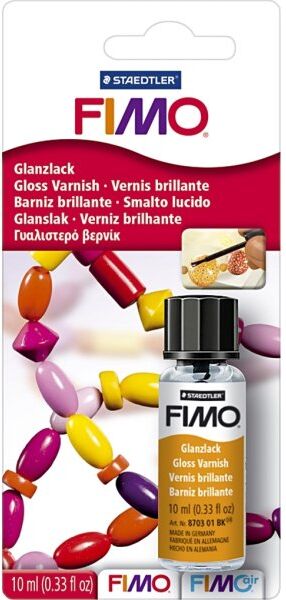
Fimo Accessories, Glanslak, 10mlGlans- og beskyttelseslak til dine kreationer i FimolerMed denne lak fra Fimo får du en vandbaseret glanslak, som giver dine hærdede figurer og kreationer i Fimoler en flot, glat og glansfuld overfalde. Samtidig er Fimo glanslak også en god beskyttelseslak, da den ligger en beskyttende hinde på overfalden af dine figurer, så de holder sig flotte i længere tid. Lakken påføres nemt ved hjælp af den lille børste i låget og tørrer klart og gennemsigtigt op. Dertil er lakken lysægte, så farverne forbliver stærke, klare og glansfulde.Indhold: 10 mlTil glans og overfladebeskyttelsePåføringsbørste i låget48,69 DKK*Shipping: 81,19 DKKSecure redirect to the provider
-
Fimo Accessories, Rulle, 1 Stk.Praktisk rulle fra FimoMed Fimo Accessoires rulle for du en praktisk rulle i akrylplast til udrulning af Fimoler, modellervoks og ler. Ved udrulning af modelleringmaterialerne opnår du en glat og fin overfalde. Rullens glatte overfalde gør det nemt og enkelt at udrulle forskellige moddelingsmaterialer uden at de hænger fast, så du er sikker på at få en jævn og helt glat overflade.Materiale: AkrylDiameter: 25 mmLængde: 20 cm148,75 DKK*Shipping: 81,19 DKKSecure redirect to the provider
-
How does nutrition and digestion occur in paramecia?
Paramecia obtain nutrition through phagocytosis, where they engulf food particles such as bacteria or algae using their cilia. Once the food particles are inside the paramecium, they are enclosed in a food vacuole. Digestive enzymes are then secreted into the food vacuole to break down the food particles into smaller molecules. These nutrients are then absorbed by the paramecium for energy and growth. Any undigested material is expelled from the cell through a process called exocytosis. **
-
Are paramecia animal or plant single-celled organisms?
Paramecia are single-celled organisms that belong to the kingdom Protista. They are considered to be animal-like protists because they are heterotrophic, meaning they obtain their nutrients by ingesting other organisms. Paramecia are not considered to be plants because they do not perform photosynthesis and do not have cell walls made of cellulose. Instead, they have cilia for movement and feed on bacteria and other small organisms. **
-
What does the competition look like for paramecia?
The competition for paramecia is primarily with other microorganisms in their environment, such as bacteria and other protozoa. They compete for resources such as food and living space. Paramecia use their cilia to move and feed on bacteria and other small organisms, and they also reproduce rapidly, allowing them to outcompete other microorganisms for resources. Additionally, paramecia may also face competition from predators such as other protozoa, small crustaceans, and even some types of algae. **
-
What can be observed with a microscope in paramecia?
With a microscope, one can observe the cilia that paramecia use for movement, as well as their characteristic slipper-like shape. Additionally, the nucleus, contractile vacuoles, and food vacuoles within the paramecia can be seen under a microscope. Observing paramecia under a microscope can also reveal their feeding behavior, as they engulf food particles through a process called phagocytosis. **
Similar search terms for Paramecia
-
Fimo Accessories, Modelleringspinde, 4 Stk.Modelleringsværktøjssæt i plastDu får her en et praktisk lille modelleringsværktøjssæt fra Fimo med 4 forskellige modelleringspinde og -værktøjer. Værktøjerne er fremstillet i rød plast og er ideelle at bruge sammen med forskellige typer af Fimoler, men kan også med fordel bruges til andre former for modellervoks og ler. Brug f.eks. modelleringsværktøjerne til at skabe kreative udformninger og finurlige små detaljer. Sæt med 4 forskellige modelleringspindeMateriale: PlastLeveres i praktisk plasthylster56,19 DKK*Shipping: 81,19 DKKSecure redirect to the provider
-
How does the nutrition and digestion occur in paramecia?
Paramecia obtain nutrition through phagocytosis, where they engulf food particles such as bacteria, algae, and other organic matter. Once inside the cell, the food vacuole containing the engulfed particles fuses with lysosomes, where digestion occurs. Enzymes within the lysosomes break down the food particles into smaller molecules, which are then absorbed and utilized by the paramecium for energy and growth. Waste products are expelled from the cell through a specialized structure called the anal pore. **
-
Why do some paramecia not have a pulsating vacuole?
Some paramecia do not have a pulsating vacuole because they may live in environments with stable water conditions, such as freshwater ponds or slow-moving streams, where they do not need to actively regulate their water balance. Additionally, some species of paramecia may have evolved alternative mechanisms for maintaining water balance, such as specialized contractile vacuoles or other cellular structures. The absence of a pulsating vacuole in certain paramecia may also be a result of genetic variation and adaptation to specific ecological niches. **
-
What is the ecology of paramecia and yeast cells?
Paramecia are single-celled organisms that are found in freshwater environments. They are heterotrophic, meaning they feed on bacteria and other small organisms. Paramecia play a role in the ecosystem by helping to control bacterial populations and serving as a food source for larger organisms. Yeast cells are also single-celled organisms that are found in various environments, including soil, plants, and the human body. They are important in the process of fermentation, which is used in the production of bread, beer, and wine. Yeast cells also play a role in the decomposition of organic matter and are a food source for other organisms in the ecosystem. **
-
What is the relationship between predators and prey in paramecia?
In paramecia, the relationship between predators and prey is that of a predator-prey dynamic. Paramecia are single-celled organisms that can act as both predators and prey in their environment. They feed on bacteria and other small organisms, making them predators, while also being consumed by larger organisms, such as amoebas, making them prey. This relationship helps maintain balance in the ecosystem by controlling population sizes and nutrient cycling. **
* All prices are inclusive of VAT and, if applicable, plus shipping costs. The offer information is based on the details provided by the respective shop and is updated through automated processes. Real-time updates do not occur, so deviations can occur in individual cases. ** Note: Parts of this content were created by AI.