Buy goeir.com ?
We are moving the project
goeir.com .
Are you interested in purchasing the domain
goeir.com ?
domain@kv-gmbh.de · 0541-91531010
Buy goeir.com ?
Are the potassium ion channels always open?
No, potassium ion channels are not always open. These channels can be either open or closed, depending on the conditions and signals in the cell. The opening and closing of potassium ion channels are regulated by various factors, including changes in membrane potential, intracellular signaling molecules, and the presence of specific ligands. This regulation allows the cell to control the flow of potassium ions and maintain proper electrical and chemical balance. **
Why do the sodium ion channels open first and then the potassium ion channels during the action potential?
Sodium ion channels open first during the action potential because they have a lower threshold for activation compared to potassium ion channels. This means that they are more sensitive to changes in membrane potential and will open more quickly in response to a depolarization. Once the sodium ion channels open and sodium rushes into the cell, causing depolarization, the potassium ion channels then open to repolarize the cell by allowing potassium to leave the cell. This sequential opening of ion channels allows for the rapid and coordinated changes in membrane potential that underlie the action potential. **
Similar search terms for Ion channels
Top-Angebote
Products related to Ion channels:
-
Fellowes Ion A4 LamineringsmaskineFellowes Ion A4 lamineringsmaskineIon A4 lamineringsmaskine fra Fellowes er ideel til lejlighedsvis laminering af hobby- og håndværksprojekter. Med denne elegante lamineringsmaskine kan du laminere op til A4-størrleses dokumenter i 125 mikron lommer. Maskinen skal bruge blot 4 minutter til at blive opvarmet og når lamineringsmaskinen er klar til brug, vises dette klart på de visuelle indikatorer. Sikkerhedsmekanisme frigør lommerne ved indføringsfejl takket være Jam Free.Med denne lamineringsmaskine har du mulighed for at laminere lommer op til 125 mikron. Indgangen passer til papirstørrelser på op til 23 cm, hvilket svarer til et A4 ark.Type: A4 lamineringsmaskineFarve: Hvid/gråPapirindgang: 23 cmMaks. lommetykkelse: 125 mikronOpvarmningstid: 4 minutterAutomatisk sluk: 30 minutters inaktivitet Dimensioner (HxBxD): 6,2 x 36 x 17 cmVægt: 1,1 kg523,75 DKK*Shipping: 81,19 DKKSecure redirect to the provider

-
What are the differences of the sodium ion channels?
Sodium ion channels are membrane proteins that allow the passage of sodium ions across the cell membrane. There are several types of sodium ion channels, including voltage-gated sodium channels, ligand-gated sodium channels, and leak sodium channels. Voltage-gated sodium channels open in response to changes in membrane potential, allowing sodium ions to flow into the cell. Ligand-gated sodium channels open in response to the binding of specific molecules, such as neurotransmitters, allowing sodium ions to enter the cell. Leak sodium channels, on the other hand, are always open and allow a small, constant flow of sodium ions into the cell. Each type of sodium ion channel has different mechanisms of activation and regulation, and they play distinct roles in the function of excitable cells such as neurons and muscle cells. **
-
What is the significance of voltage-gated sodium ion channels?
Voltage-gated sodium ion channels play a crucial role in the generation and propagation of action potentials in neurons and muscle cells. These channels open in response to changes in membrane potential, allowing sodium ions to flow into the cell and depolarize the membrane. This rapid depolarization is essential for the transmission of electrical signals along the cell membrane. Dysfunction of voltage-gated sodium ion channels can lead to various neurological and muscular disorders. **
-
What happens during the action potential when the Na+ ion channels are blocked?
When the Na+ ion channels are blocked, the influx of sodium ions into the cell is prevented. This results in the cell membrane being unable to depolarize properly, leading to a decrease in the amplitude of the action potential. As a result, the transmission of the electrical signal along the neuron is disrupted, affecting communication between neurons. This can lead to impaired nerve function and communication within the nervous system. **
-
Why are some voltage-gated sodium ion channels opened starting from the resting potential?
Voltage-gated sodium ion channels are opened starting from the resting potential because they are sensitive to changes in membrane potential. When the membrane potential becomes more positive, it triggers a conformational change in the channel protein, leading to its opening. This allows sodium ions to flow into the cell, depolarizing the membrane and initiating an action potential. This process is essential for the transmission of electrical signals in neurons and muscle cells. **
Why are some voltage-gated sodium ion channels opened starting from the resting membrane potential?
Voltage-gated sodium ion channels are opened starting from the resting membrane potential because they are sensitive to changes in membrane potential. When the membrane potential becomes more positive, these channels undergo a conformational change that allows them to open and allow sodium ions to flow into the cell. This influx of sodium ions depolarizes the membrane further, leading to the generation of an action potential. This process is crucial for the propagation of electrical signals along neurons and other excitable cells. **
What is an acid residue ion, an oxonium ion, and a hydronium ion?
An acid residue ion is a fragment of a molecule that remains after a hydrogen ion is removed from an acid. An oxonium ion is a positively charged ion formed by the addition of a proton to an oxygen atom. A hydronium ion is a positively charged ion formed by the combination of a water molecule with an extra proton, commonly found in aqueous solutions of acids. **
Top-Angebote
Products related to Ion channels:
-
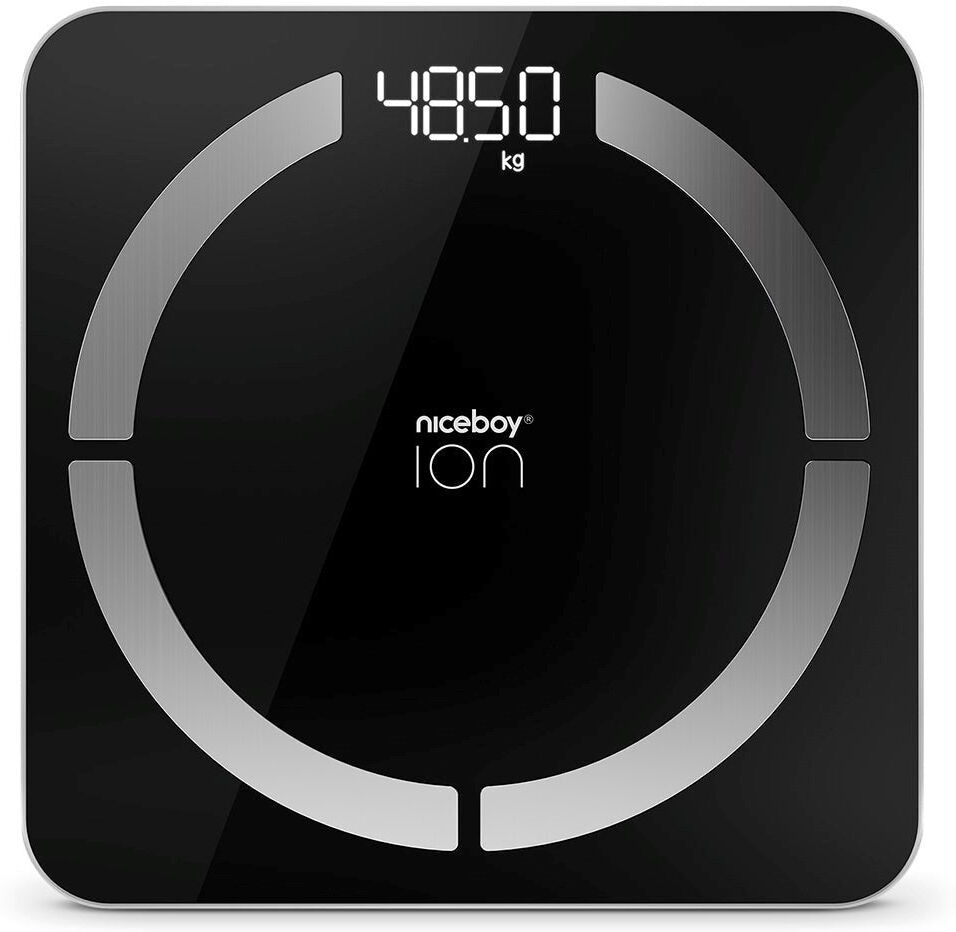
Niceboy ION Smart Scale - Bluetooth Kropsanalyse Badevægt - SortSuper smart bluetooth badevægt fra Niceboy med integreret kropsanalyseværktøj. Niceboy ION Smart Scale giver dig muligheden for at måle en helt masse i din krop, som du ellers ikke ville kunne med en traditionel badevægt. Du kan få målt hele 12 punkter ved kun en vejning, blandt andet - Vægt - Fedtprocent - BMI - Muskelmasse - Vandandel - Knoglemasse - Bodyage - Og mange flere Den er nem at bruge, har automatisk brugeridentifikation, der tilmed understøtter op til 8 brugere af gangen. Så hele familien kan benytte samme vægt og loade / hente deres egne personlige resultater. Ydermere er der automatisk dataoverførsel via Bluetooth og/eller WIFI. For at benytte vægten skal du downloade den brugervenlige gratis App (Niceboy ION) i din Android eller iOS store. Bemærk: 1. Vægten benytter 3 x AAA batterier. (medfølger ikke). 2. Personer med pacemaker bør ikke benytte denne vægt. Specifikationer: Størrelse (B x D x H): 30 cm x 30 cm Bluetooth 5.0 Maksimal vægt: 180kg 400lbs279,00 DKK*Shipping: 29,00 DKKSecure redirect to the provider
-
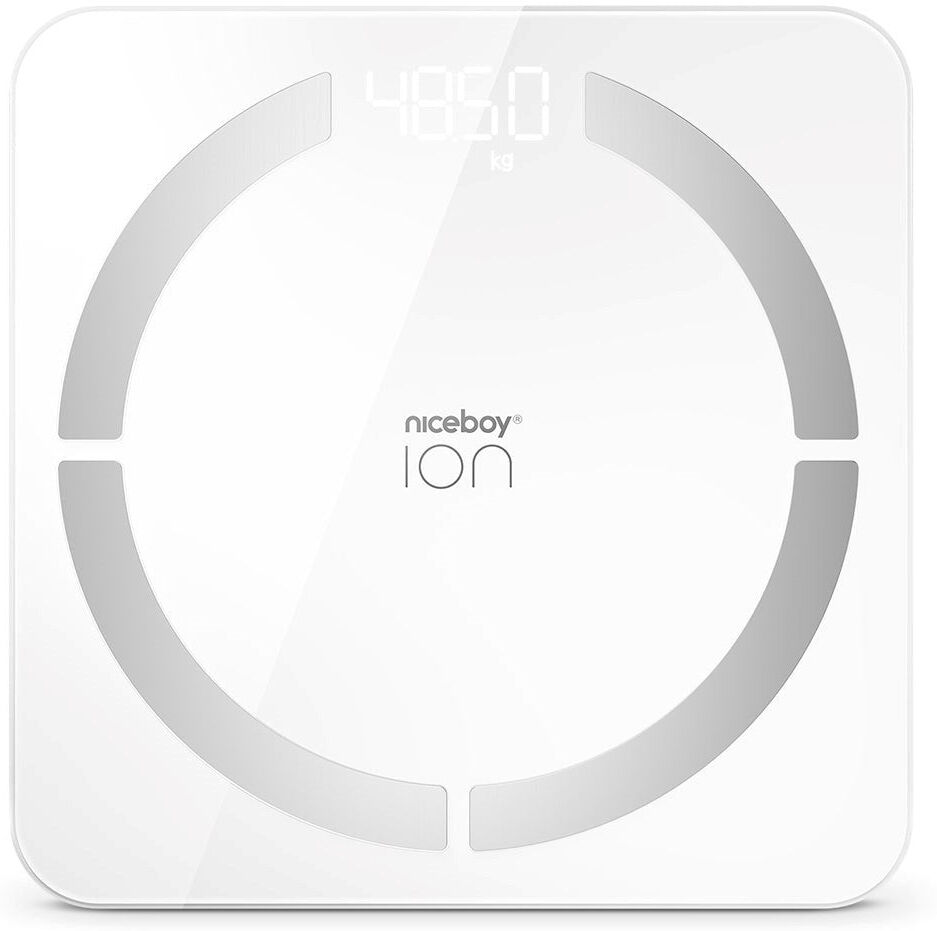
Niceboy ION Smart Scale - Bluetooth / Wifi Kropsanalyse Badevægt - HvidNiceboy ION Smart Scale kan nemt lave en gennemgået kropanalyse og gemme din direkte på din enhed gennem deres app.Du kan få målt hele 12 punkter ved kun en vejning, blandt andet- Vægt - Fedtprocent - BMI - Muskelmasse - Vandandel - Knoglemasse - Bodyage - Og mange flereHele familien (op til 8 personer) kan benytte samme vægt og loade / hente deres egne personlige resultater. Automatisk dataoverførsel via Bluetooth og/eller WIFI.For at benytte vægten skal du downloade den brugervenlige gratis App (Niceboy ION) i din Android eller iOS store. color: #ff2a00;Bemærk: 1. Vægten benytter 3 x AAA batterier (medfølger ikke) 2. Personer med pacemaker bør ikke benytte denne vægt. 3. Maksimal vægt 180kg / 400lbs199,00 DKK*Shipping: 29,00 DKKSecure redirect to the provider
-
Fellowes Ion A4 LamineringsmaskineFellowes Ion A4 lamineringsmaskineIon A4 lamineringsmaskine fra Fellowes er ideel til lejlighedsvis laminering af hobby- og håndværksprojekter. Med denne elegante lamineringsmaskine kan du laminere op til A4-størrleses dokumenter i 125 mikron lommer. Maskinen skal bruge blot 4 minutter til at blive opvarmet og når lamineringsmaskinen er klar til brug, vises dette klart på de visuelle indikatorer. Sikkerhedsmekanisme frigør lommerne ved indføringsfejl takket være Jam Free.Med denne lamineringsmaskine har du mulighed for at laminere lommer op til 125 mikron. Indgangen passer til papirstørrelser på op til 23 cm, hvilket svarer til et A4 ark.Type: A4 lamineringsmaskineFarve: Hvid/gråPapirindgang: 23 cmMaks. lommetykkelse: 125 mikronOpvarmningstid: 4 minutterAutomatisk sluk: 30 minutters inaktivitet Dimensioner (HxBxD): 6,2 x 36 x 17 cmVægt: 1,1 kg523,75 DKK*Shipping: 81,19 DKKSecure redirect to the provider
-
Are the potassium ion channels always open?
No, potassium ion channels are not always open. These channels can be either open or closed, depending on the conditions and signals in the cell. The opening and closing of potassium ion channels are regulated by various factors, including changes in membrane potential, intracellular signaling molecules, and the presence of specific ligands. This regulation allows the cell to control the flow of potassium ions and maintain proper electrical and chemical balance. **
-
Why do the sodium ion channels open first and then the potassium ion channels during the action potential?
Sodium ion channels open first during the action potential because they have a lower threshold for activation compared to potassium ion channels. This means that they are more sensitive to changes in membrane potential and will open more quickly in response to a depolarization. Once the sodium ion channels open and sodium rushes into the cell, causing depolarization, the potassium ion channels then open to repolarize the cell by allowing potassium to leave the cell. This sequential opening of ion channels allows for the rapid and coordinated changes in membrane potential that underlie the action potential. **
-
What are the differences of the sodium ion channels?
Sodium ion channels are membrane proteins that allow the passage of sodium ions across the cell membrane. There are several types of sodium ion channels, including voltage-gated sodium channels, ligand-gated sodium channels, and leak sodium channels. Voltage-gated sodium channels open in response to changes in membrane potential, allowing sodium ions to flow into the cell. Ligand-gated sodium channels open in response to the binding of specific molecules, such as neurotransmitters, allowing sodium ions to enter the cell. Leak sodium channels, on the other hand, are always open and allow a small, constant flow of sodium ions into the cell. Each type of sodium ion channel has different mechanisms of activation and regulation, and they play distinct roles in the function of excitable cells such as neurons and muscle cells. **
-
What is the significance of voltage-gated sodium ion channels?
Voltage-gated sodium ion channels play a crucial role in the generation and propagation of action potentials in neurons and muscle cells. These channels open in response to changes in membrane potential, allowing sodium ions to flow into the cell and depolarize the membrane. This rapid depolarization is essential for the transmission of electrical signals along the cell membrane. Dysfunction of voltage-gated sodium ion channels can lead to various neurological and muscular disorders. **
Similar search terms for Ion channels
-
What happens during the action potential when the Na+ ion channels are blocked?
When the Na+ ion channels are blocked, the influx of sodium ions into the cell is prevented. This results in the cell membrane being unable to depolarize properly, leading to a decrease in the amplitude of the action potential. As a result, the transmission of the electrical signal along the neuron is disrupted, affecting communication between neurons. This can lead to impaired nerve function and communication within the nervous system. **
-
Why are some voltage-gated sodium ion channels opened starting from the resting potential?
Voltage-gated sodium ion channels are opened starting from the resting potential because they are sensitive to changes in membrane potential. When the membrane potential becomes more positive, it triggers a conformational change in the channel protein, leading to its opening. This allows sodium ions to flow into the cell, depolarizing the membrane and initiating an action potential. This process is essential for the transmission of electrical signals in neurons and muscle cells. **
-
Why are some voltage-gated sodium ion channels opened starting from the resting membrane potential?
Voltage-gated sodium ion channels are opened starting from the resting membrane potential because they are sensitive to changes in membrane potential. When the membrane potential becomes more positive, these channels undergo a conformational change that allows them to open and allow sodium ions to flow into the cell. This influx of sodium ions depolarizes the membrane further, leading to the generation of an action potential. This process is crucial for the propagation of electrical signals along neurons and other excitable cells. **
-
What is an acid residue ion, an oxonium ion, and a hydronium ion?
An acid residue ion is a fragment of a molecule that remains after a hydrogen ion is removed from an acid. An oxonium ion is a positively charged ion formed by the addition of a proton to an oxygen atom. A hydronium ion is a positively charged ion formed by the combination of a water molecule with an extra proton, commonly found in aqueous solutions of acids. **
* All prices are inclusive of VAT and, if applicable, plus shipping costs. The offer information is based on the details provided by the respective shop and is updated through automated processes. Real-time updates do not occur, so deviations can occur in individual cases. ** Note: Parts of this content were created by AI.